


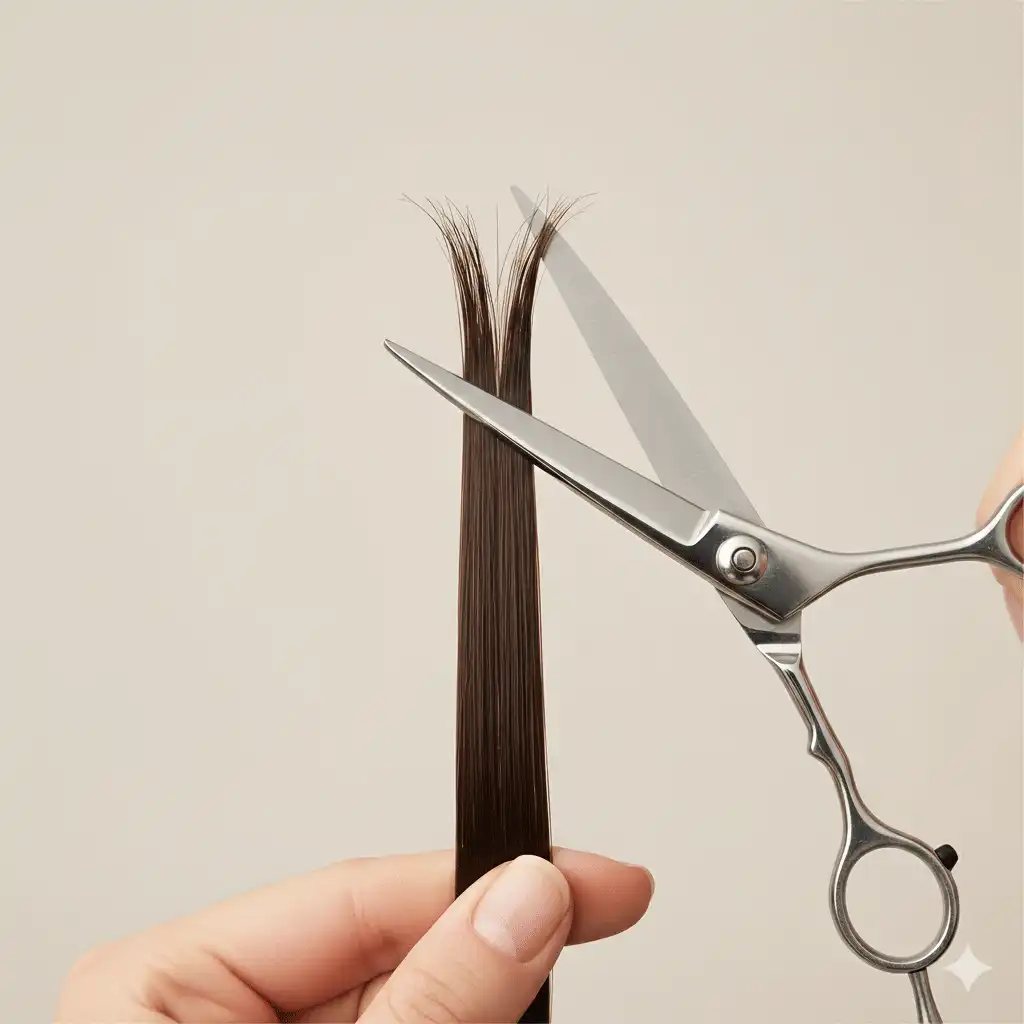
It's the question we all ask our stylist: "How long can I really wait until my next appointment It's the question we all ask our stylist: The truth is, there is no one-size-fits-all answer. The ideal haircut frequency depends entirely on three key factors: your current style, your hair's length, and its health. Waiting too long can ruin your shape, while going too often might be unnecessary. Here is your definitive guide, broken down by cut, to help you determine the perfect time to book your next salon visit.
Ideal Frequency Based on Length and Style
The most important factor is the type of cut you have. The shorter or more structured the style, the more often you will need maintenance.
Short and Structured Cuts
If you have a pixie cut, a sharp fade, an angled bob, or a blunt fringe/bangs, growth becomes noticeable very quickly. Frequency: Every 3 to 6 weeks. Reason: To maintain crisp lines, sharp angles, and prevent the shape from looking bulky or overgrown.
Medium-Length Styles
This includes popular long bobs (lobs), mid-length layers, or shoulder-length cuts. Frequency: Every 6 to 10 weeks. Reason: To prevent the weight of the hair from causing layers to lose bounce and to keep the ends from flipping out awkwardly.
Long Hair and Curls
If length is your goal, you can space out appointments more, but don't skip them entirely. Curly or coily hair can mask growth but needs shaping. Frequency: Every 8 to 12 weeks (or 3-4 times per year). Reason: To prevent split ends from traveling up the hair shaft, which forces you to cut off more length later, and to maintain curl definition.
Clear Signs You Need a Cut Now
Regardless of the calendar, your hair will send you warning signals if you've waited too long.
The Style is Gone
If your usual hairstyle requires more effort than normal to look decent, or if your layers are falling flat, it's a sign. Haircuts are like sculptures; if they lose their shape, they need an adjustment.
Visible Split Ends and Excessive Frizz
Split ends are the most obvious sign, and once they appear, the only true fix is to cut them off. Ignoring them causes the damage to spread. Increased frizz, tangles, and dryness at the ends are also major indicators.
Lack of Volume and Heavy Weight
If your hair feels heavy, lifeless, or flat, or if your top layers have grown out so much that the shape looks limp, a quick trim or a layer refinement will restore volume instantly.
The Special Case: Damaged or Colored Hair
Hair that has undergone chemical treatments requires more dedicated attention and maintenance.
Color and Bleach Treatments
Chemically treated hair, especially heavily highlighted or bleached hair, is more vulnerable to breakage. You need more frequent trims (every 4-6 weeks) to eliminate the weakest ends and prevent the hair from snapping.
How to Stretch Your Appointments
If you want to maximize the time between cuts, focus heavily on prevention: always use heat protectants, apply deep moisturizing masks weekly, and use silk pillowcases to reduce friction. This can buy you an extra 2 to 4 weeks. Visit Our WebsideInstagramBook your Haircut